
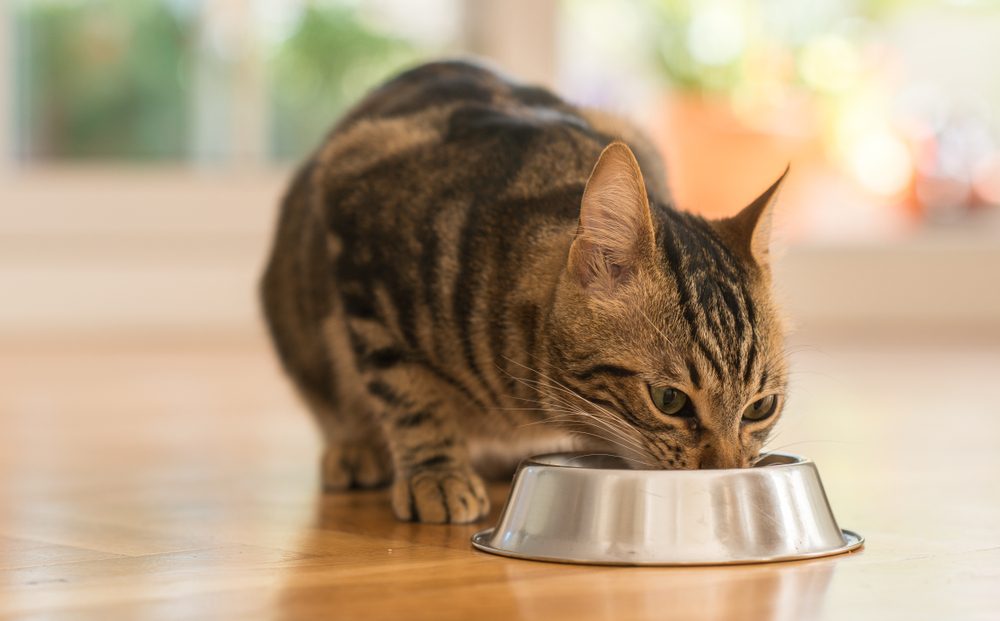
Cats are obligate carnivores — the label should show it
A cat looking alert in a kitchen
Cats need animal protein to thrive. Unlike dogs, they cannot make taurine or arachidonic acid from plant ingredients — these must come from meat. A good cat food lists a named animal protein first: chicken, salmon, turkey, or lamb.
Be wary of labels where the first ingredients are corn, wheat, or soy. Cats can digest some plant ingredients, but a food built on grains with meat far down the list is not built around what cats need.
The ingredient list: order matters
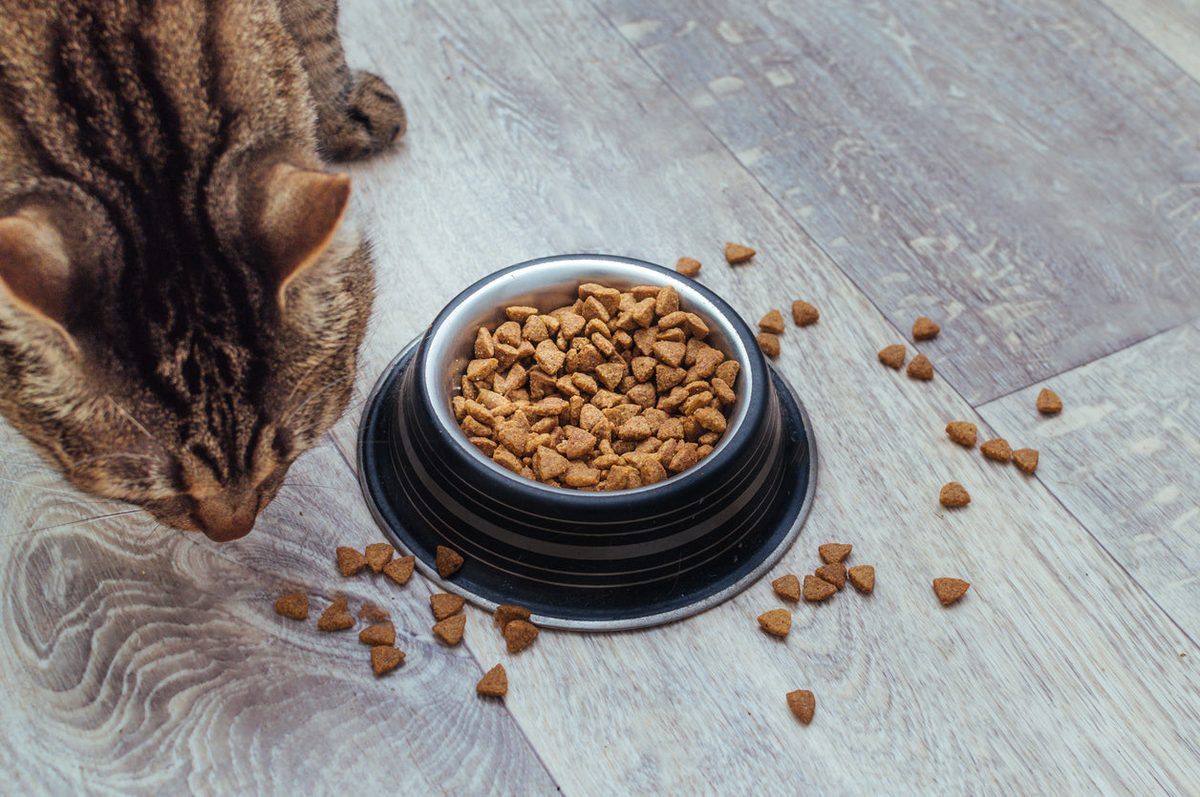
Dry cat food kibble in a measuring cup
Ingredients are listed by weight before cooking, heaviest first. The first five ingredients tell you most of what you need to know about a food. Look for named proteins in the top spots and a short, recognizable list overall.
Watch for ingredient splitting: 'corn,' 'corn gluten meal,' and 'corn bran' listed separately can hide the fact that corn is the main ingredient. And remember that fresh meat is mostly water — 'chicken' first sounds better than it is once the water is cooked out, which is why a named meat meal in the top five is a good sign.
Named meat vs. meat meal vs. by-products
A bowl of wet cat food with visible meat pieces
'Chicken' means muscle meat with water. 'Chicken meal' is the same meat rendered down to a dry, concentrated protein — it is not a lesser ingredient, and in dry food it is often the more honest protein source. 'Meat by-products' are the non-muscle parts: organs, bone, and trim.
By-products are not automatically bad — organs are nutritious — but vague by-products ('meat by-products' with no animal named) tell you nothing about quality. Prefer labels that name the animal in every ingredient.
The guaranteed analysis: minimums and maximums
A person reading the back of a pet food bag
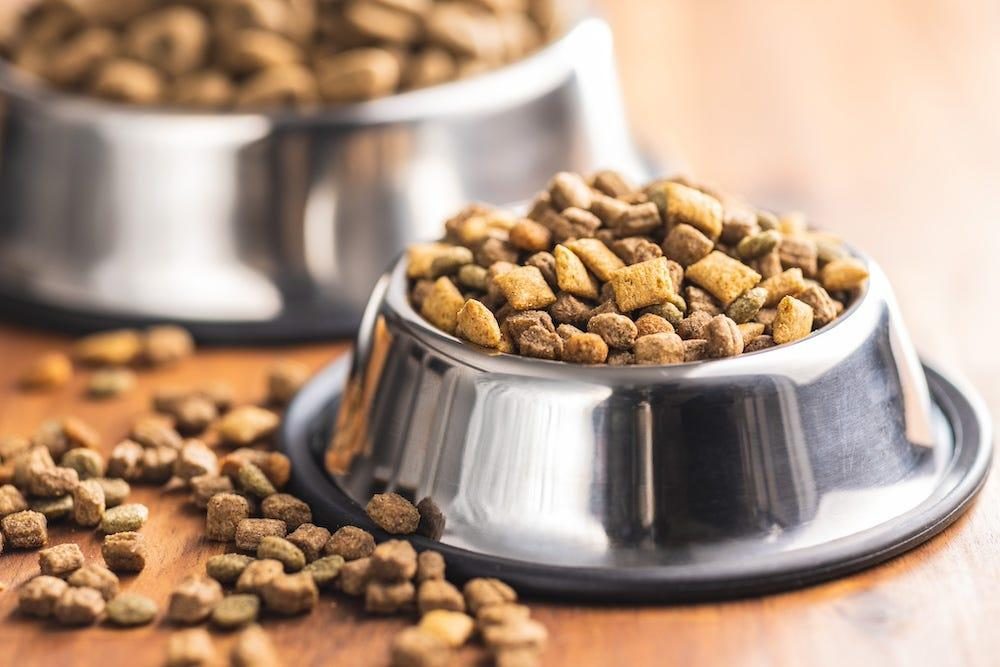
The guaranteed analysis lists minimum protein and fat, and maximum fiber and moisture. For adult cats, look for at least 26% protein and 9% fat on a dry-matter basis — the label numbers are 'as fed,' so wet food percentages look lower because of the water content.
To compare wet and dry food fairly, convert to dry matter: divide the protein percentage by (100 minus the moisture percentage), then multiply by 100. A wet food at 10% protein and 78% moisture is about 45% protein on a dry-matter basis — richer than many dry foods.
The AAFCO statement: the most important sentence
Cat food packaging with nutritional information
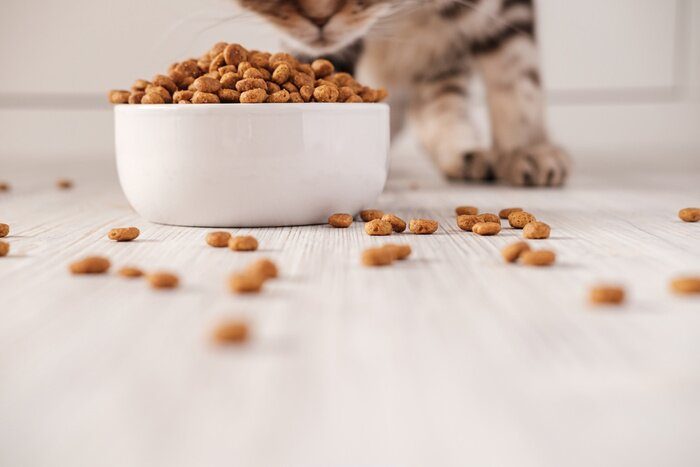
Look for a statement that the food is 'complete and balanced' for a life stage — growth, adult maintenance, or all life stages — formulated to meet AAFCO nutrient profiles or substantiated by feeding trials. This is the label's real quality mark.
Foods labeled 'for intermittent or supplemental feeding only' are treats, not meals. And a food formulated for 'adult maintenance' is not right for a kitten, whose needs are different. Match the life stage to your cat.
Keep reading
Grain-free: what it does and does not mean
A cat eating grain-free kibble from a bowl
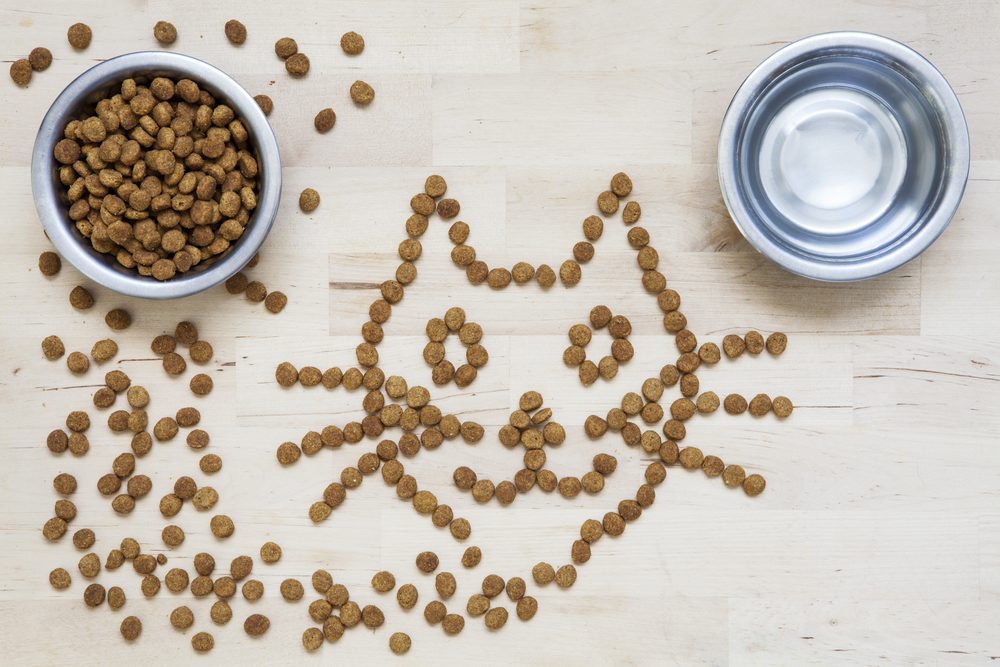
Grain-free means no corn, wheat, or rice — but the food still needs a carbohydrate to hold kibble together, so grains are usually replaced with potatoes, peas, or lentils. Grain-free is not automatically higher in protein or better for your cat.
True grain allergies in cats are uncommon. If your cat does well on a food with grains, there is no reason to switch. Choose based on the protein content and your cat's condition, not the grain-free badge.
Marketing words with no legal meaning
Colorful cat food bags on a store shelf
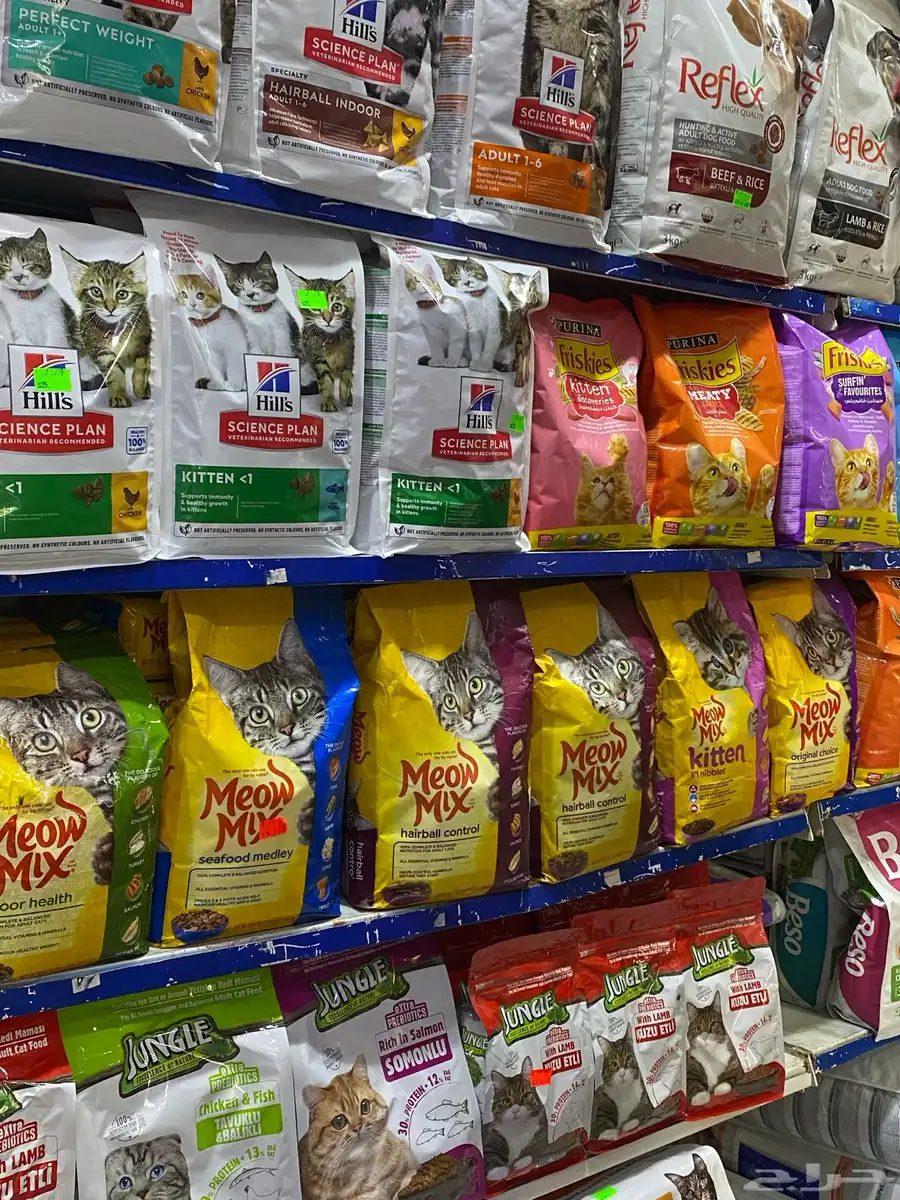
'Premium,' 'holistic,' 'gourmet,' 'natural,' and 'human-grade' sound reassuring, but none of them is a regulated standard for pet food. 'Natural' has a loose definition — no synthetic ingredients except for necessary vitamins and minerals — but it says nothing about quality.
The words that do mean something are on the ingredient list and the AAFCO statement. Spend your attention there, and let the front of the bag entertain you.
Wet food vs. dry food
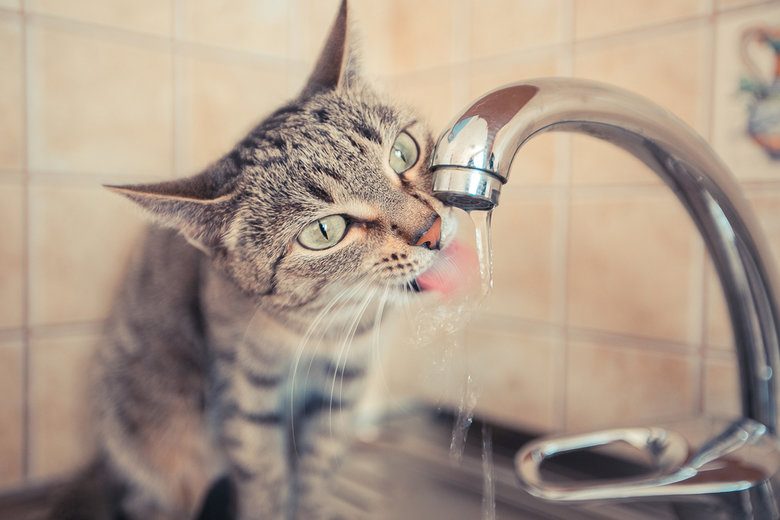
A cat drinking water from a bowl next to its food
Wet food is about 75-80% water, which helps cats stay hydrated — cats are notoriously poor drinkers, and hydration supports kidney and urinary health. Dry food is convenient, cheaper per meal, and better for dental chewing, though it does not clean teeth the way some marketing claims.
Many vets recommend a mix: wet food for hydration and dry food for convenience. If you feed dry only, make sure fresh water is always available and consider a water fountain — many cats drink more from moving water.
How to switch foods without an upset stomach
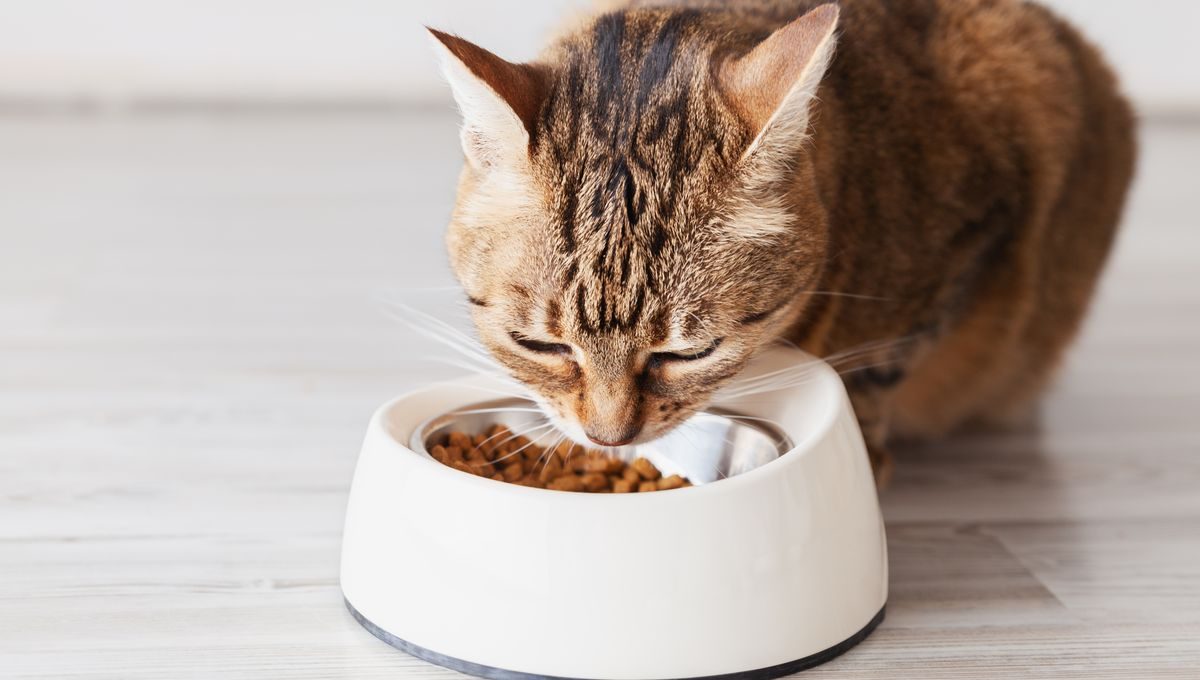
A cat eating happily from a fresh bowl of food
Switch foods over seven to ten days: start with 25% new food mixed into the old, then 50/50, then 75% new, then fully new. A sudden switch is the most common cause of a new food getting blamed for an upset stomach.
Watch the litter box during the switch — soft stools mean slow down. And give a new food at least a few weeks before judging it: coat, energy, and stool quality change gradually, not overnight.